Burnout, Allostatic Overload, and the Neurodivergent Triad
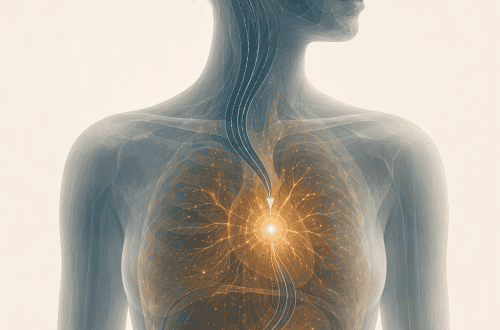
While many neurodivergent individuals successfully manage their cognitive load, navigating a neuronormative world carries a high baseline metabolic cost. When these coping mechanisms are exceeded, the resulting fatigue and functional symptoms rarely stem from a single source. Instead, they emerge from allostatic overload—the cumulative biological wear and tear on the brain and body caused by ongoing adaptation to stress.
This state of allostatic overload is often triggered by one or a combination of compounding factors:
- Baseline Fatigue and Chronic Masking: The continuous prefrontal effort required to suppress neurodivergent traits and manually filter sensory input.
- Coping with Chronic Pain: Often stemming from undiagnosed joint instability and complicated by interoceptive differences.
- Increasingly Complex Life Demands: Executive function expectations scaling with age, parenthood, and career, which may eventually outstrip available processing capacity.
- Cumulative Sleep Deprivation: Hindering the essential cellular repair required by the nervous system.
- Traumatic Events: Emotional or physical stressors that disrupt autonomic regulation.
- Acute Illness: Viral infections can act as a physiological tipping point, potentially triggering conditions like Long COVID, post-viral fatigue, POTS (and POTS plus), PWTS (and PWTS plus), and Mast Cell Activation Syndrome (MCAS).
In this broader context, clinical burnout is just one aspect of the overall picture. While frameworks like Nick Petrie’s “Three Degrees of Burn”—where an individual moves from Overwhelm (First-Degree) to Survival Mode (Second-Degree) and finally System Shutdown (Third-Degree)—remain relevant, cognitive burnout is often the psychological manifestation of a system already operating under significant physical, immunological, and environmental strain.
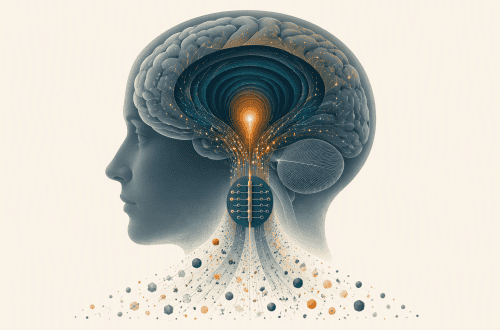
When these combined triggers lead to allostatic overload, the biological link between stress and physical symptoms becomes clearer. Sustained high levels of stress hormones, particularly cortisol, can lead to receptor downregulation. This resistance alters the body’s natural anti-inflammatory response and disrupts circadian rhythms, making it more difficult for the nervous system to reliably regulate sleep and wakefulness. Neurologically, as the prefrontal cortex depletes its energy reserves, its capacity to consciously manage attention and sensory input is significantly reduced. The thalamic sensory filter becomes more permeable, which can cause monotropic attention tunnels to fragment and allow a much higher volume of raw sensory data into conscious awareness. It is under this combined autonomic, circadian, and sensory strain that a range of physical and functional comorbidities are often triggered or exacerbated. These manifest in two primary, frequently overlapping ways:
1. Hardware Issues (The Neurodivergent Triad): Modern literature highlights an overlap between neurodivergence and structural connective tissue differences, specifically Hypermobility Spectrum Disorders (HSD) or Ehlers-Danlos Syndrome (EDS). When exacerbated by illness, trauma, or cumulative exhaustion, these structural differences compound neurological fatigue in two main ways:
- Proprioceptive Cognitive Demand: Connective tissue provides the brain with proprioceptive feedback. In hypermobile individuals, joint laxity can result in imprecise signals. Because maintaining posture and coordinating movement is less automatic, the individual uses conscious prefrontal cortex energy to stabilize their body, creating a continuous drain on cognitive bandwidth.
- Autonomic and Immunological Dysregulation: Hypermobile blood vessels can stretch more easily, causing blood to pool in the lower body when standing. To pump blood back to the brain, the heart rate increases—triggering Postural Orthostatic Tachycardia Syndrome (POTS). This autonomic dysregulation, which may be accompanied by Mast Cell Activation Syndrome (MCAS), keeps the nervous system in a heightened state of physiological arousal.
2. Software Issues (Functional Disorders and Symptoms): The altered processing of sensory and pain signals in a chronically fatigued nervous system creates a physiological environment susceptible to functional symptoms. Triggered by the events listed above, these conditions are notably prevalent in neurodivergent populations and include:
- Functional Neurological Disorders (FND): Manifesting as functional weakness, alterations in motor control, or non-epileptic seizures.
- Central Sensitivity Syndromes: Such as fibromyalgia and myalgic encephalomyelitis/chronic fatigue syndrome (ME/CFS), where the nervous system amplifies pain and fatigue signals (due to dysfunctional filtering and signal processing).
- Gastrointestinal and Migraine Symptoms: Chronic gut motility issues (like irritable bowel syndrome) and migraines, frequently linked to changes in the gut-brain axis and associated autonomic nervous system dysregulation.
Due to interoceptive differences, communication differences and diagnostic overshadowing, this complex presentation of physical distress is sometimes misattributed to primary anxiety or behavioural issues. Recognising these interconnected factors is essential to ensuring the underlying cardiovascular, immunological, and neurological elements are appropriately addressed.