Emotional Life in Neurodivergent Individuals: Interoception, Masking, and the “Second Arrow”
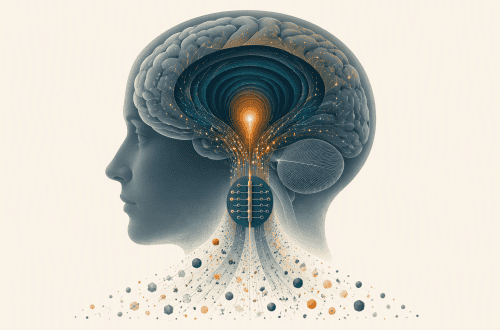
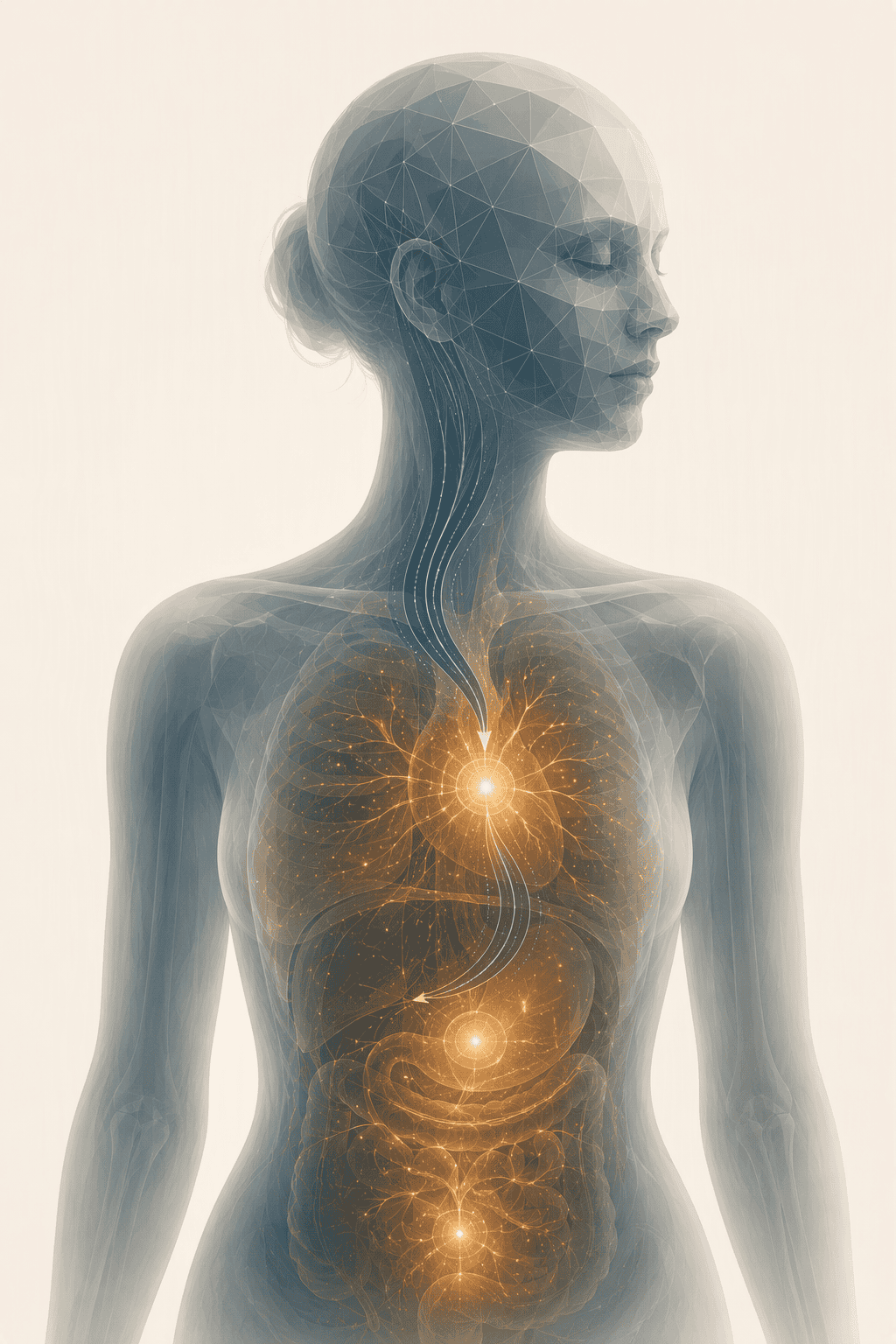
Because the neurodivergent brain processes data from the bottom up, emotional experiences are frequently grounded in visceral physical sensations rather than immediate cognitive clarity. This process is governed by the insular cortex, the brain region responsible for interoception. Interoception is the sensory system that detects internal physiological signals—like heart rate, muscle tension, and digestion—and translates them into recognised emotions.
Neurodivergent individuals frequently experience tendencies toward either heightened or reduced interoceptive sensitivity, or a combination of both. This may manifest as Alexithymia, a difference in identifying or differentiating between emotional states. Instead of a clear cognitive awareness of anxiety, an individual might experience a racing heart and stomach tension as generalised physical discomfort. Because emotions are felt primarily as physical sensations, the nervous system can react as though it is managing a biological stressor.
This sensitivity is notably visible in Rejection Sensitive Dysphoria (RSD), a pattern seen in some individuals with ADHD or AuDHD, where perceived criticism triggers an immediate, painful physiological stress response. Similarly, reactions often labelled as “oppositional” can frequently be understood as autonomic threat responses; when a sudden demand forces a monotropic brain to break its focus, the nervous system may trigger an involuntary fight-or-flight avoidance reaction.
To navigate environments not built for their neurology, many individuals rely heavily on masking or camouflaging. Masking is the constant, often subconscious effort to suppress neurodivergent traits (like stimming) and artificially mimic neurotypical social behaviours to avoid stigma. Masking is the social equivalent of manual sensory filtering—it requires immense prefrontal cortex energy and is a primary driver of neurological fatigue.
This physiological and social baseline is often complicated by the “second arrow” of shame, a concept from Buddhist philosophy. The first arrow is the raw physiological experience of neurodivergent processing. The second arrow is the self-directed judgment for reacting differently than neurotypical peers or the failure to maintain the mask. This cognitive layer of shame actively prolongs sympathetic nervous system arousal, making effective self-regulation more difficult.
Neurodivergent Processing, Emotional Regulation, and Integrative Health is a six-part series of posts by Dr Simon van Lieshout that bridges neuroscience, lifestyle medicine, and Anthroposophic health principles. It explores the unique neurological architecture of neurodivergent minds—focusing on bottom-up processing and monotropic attention—and explains how navigating a neuronormative world can lead to sensory fatigue, allostatic overload, and complex functional comorbidities. By moving beyond traditional behavioural models, this series provides a comprehensive, neuro-affirming framework alongside practical, somatic strategies to regulate the nervous system, build processing capacity, and foster deep, integrative healing.