-
The Neurodivergent Triad and the Hardware of Neurodivergence: Connective Tissue, Autonomics, and the Body-Brain Connection
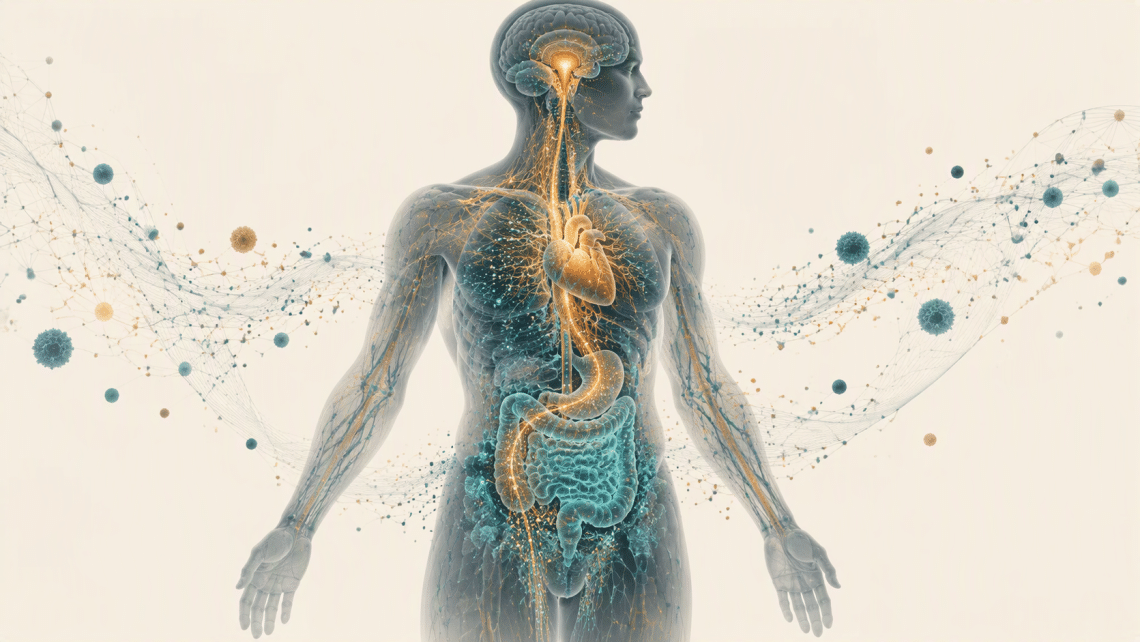
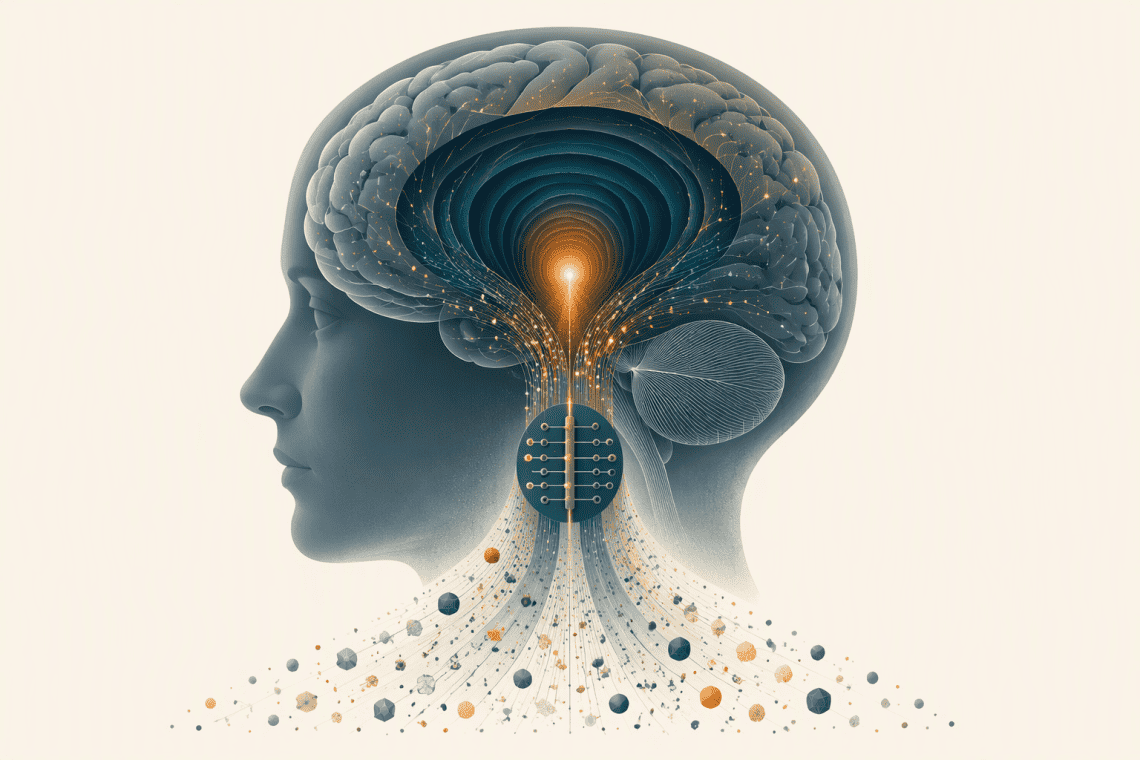
Neurodivergence is frequently framed exclusively as a difference in brain wiring—a divergence in how information, sensory input, and social cues are processed. However, for a significant portion of the neurodivergent population, the differences extend far below the neck. Autism and ADHD are highly correlated with a specific cluster of systemic physical health conditions, often referred to as the “Neurodivergent Triad”: the overlapping presentation of neurodivergence, connective tissue differences, and autonomic or immune dysregulation. When the physical “hardware” of the body operates differently, it fundamentally alters the data sent to the neurological “software.” Understanding this interaction is critical, as many emotional and cognitive challenges are actually rooted in unrecognised physical distress.…
-
Not “Just Anxiety”: Vulnerability, Attention, and Systemic Overload in Neurodivergence
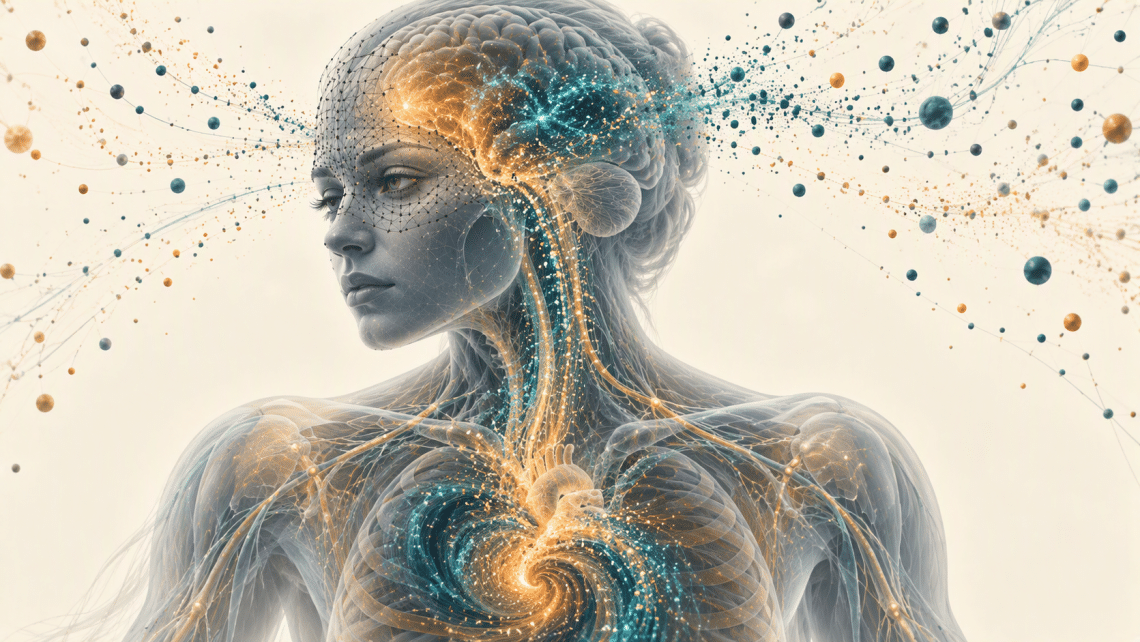
For neurodivergent individuals, anxiety is rarely a standalone psychological condition. It is a predictable, systemic response to existing in a world built for a different neurology. When medical professionals view this distress strictly through the lens of standard psychiatric anxiety, they can miss the profound interplay of cognitive style, sensory processing, autonomic dysregulation, and accumulated relational stress. Understanding this requires deconstructing anxiety into its true components: the internal cognitive architecture, external relational demands, and the physical systemic issues that often masquerade as panic. 1. Internal Vulnerability: Metacognition, Attention, and Autonomic Threat The neurodivergent mind often possesses a highly active cognitive engine. While this drives deep analytical thinking and pattern recognition,…
-
Burnout and Allostatic Overload in Neurodivergent Individuals
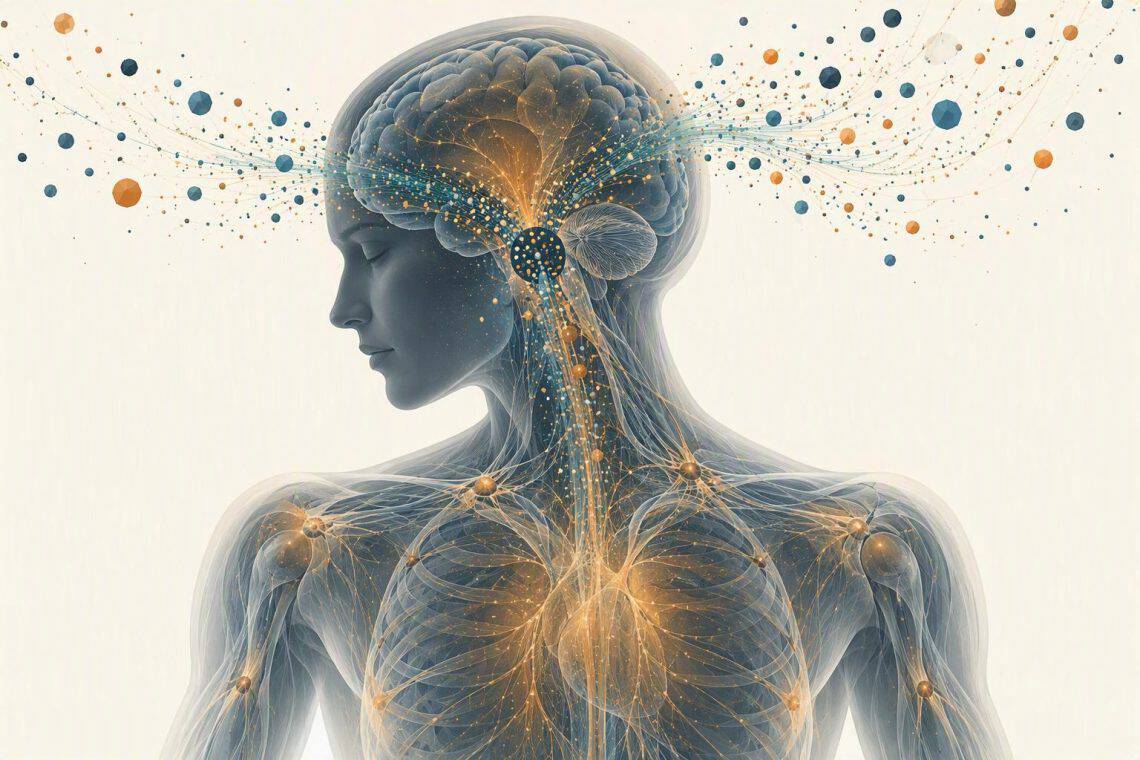
While many neurodivergent individuals successfully manage their cognitive load, navigating a neuronormative world carries a high baseline metabolic cost. When these coping mechanisms are exceeded, the resulting fatigue and functional symptoms rarely stem from a single source. Instead, they emerge from allostatic overload—the cumulative biological wear and tear on the brain and body caused by ongoing adaptation to stress. This state of allostatic overload is often triggered by one or a combination of compounding factors: In this broader context, clinical burnout is just one aspect of the overall picture. While frameworks like Nick Petrie’s “Three Degrees of Burn”—where an individual moves from Overwhelm (First-Degree) to Survival Mode (Second-Degree) and finally…
-
Emotional Life in Neurodivergent Individuals: Interoception, Masking, and the “Second Arrow”
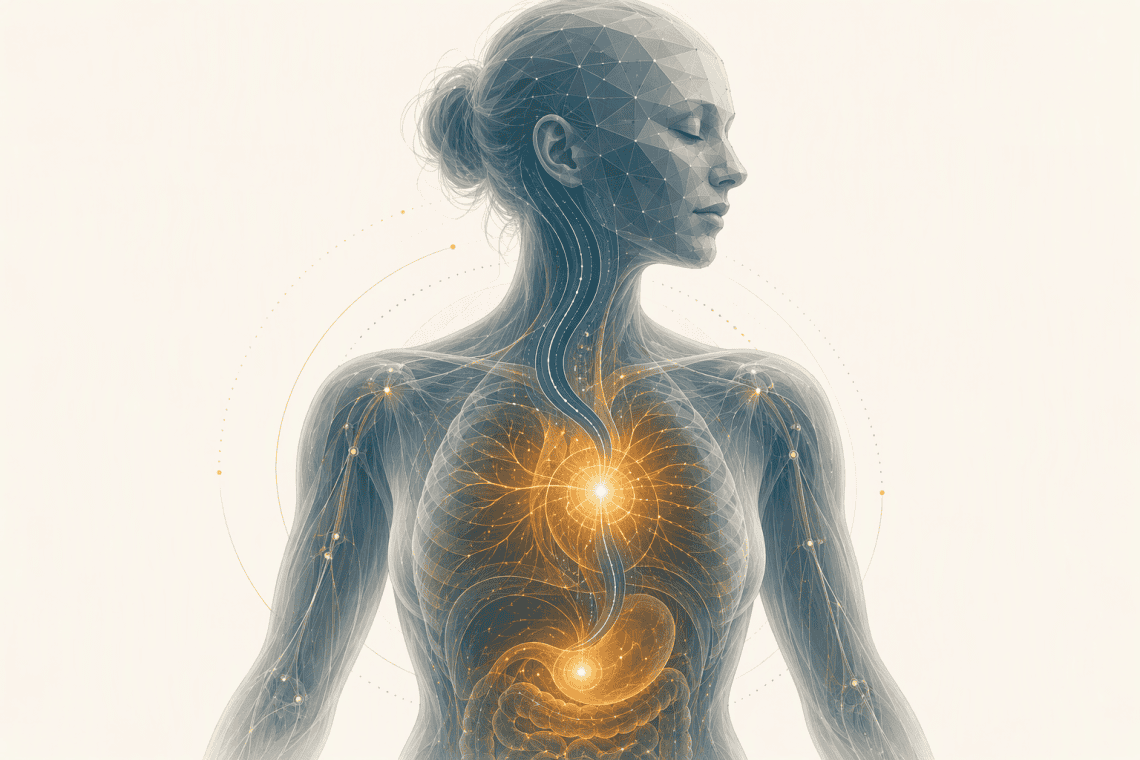
Because the neurodivergent brain processes data from the bottom up, emotional experiences are frequently grounded in visceral physical sensations rather than immediate cognitive clarity. This process is governed by the insular cortex, the brain region responsible for interoception. Interoception is the sensory system that detects internal physiological signals—like heart rate, muscle tension, and digestion—and translates them into recognised emotions. Neurodivergent individuals frequently experience tendencies toward either heightened or reduced interoceptive sensitivity, or a combination of both. This may manifest as Alexithymia, a difference in identifying or differentiating between emotional states. Instead of a clear cognitive awareness of anxiety, an individual might experience a racing heart and stomach tension as generalised…
-
The Neurology of Neurodivergence: Bottom-Up Processing and Attention Tunnels
The neurodivergent brain—encompassing profiles such as Autism, ADHD, AuDHD, Dyspraxia, and Dyslexia—operates with a distinct neurological architecture. Many neurodivergent individuals are highly functional, utilising the unique strengths of this architecture, such as deep focus, rapid pattern recognition, and innovative problem-solving. However, these cognitive differences bring specific tendencies in how information and attention are filtered, requiring active management to maintain balance. A primary distinction lies in sensory processing. In a neurotypical model, the brain relies heavily on top-down processing and Predictive Coding Theory, utilising prior knowledge to automatically filter out irrelevant sensory data before it reaches conscious awareness. This is often compared to a colander, allowing extraneous sensory input to drain…
-
More about me
Some people like to know a little bit more personal information. Medical consultations often ask patients to put a lot of trust in their doctor and share intimate aspects of their biographies and challenges. I have written a little bit of information about me and my life here, for those who find it helpful to know a little more about the person with whom they sharing such information. My parents lived and worked as volunteers in Camphill Communities in Scotland and England, so I grew up in a caring, supportive community, co-habiting with people from all over the world and seeing a very fine example from my parents and others…
-
New Beginnings
Today I have launched this new website to allow patients to find out information about the nature of the work I do, read more about Anthroposophic and Integrative Medicine and find my contact details. It will take me some time to populate this website with blog posts and information. Thank you for your patience!