-
The Neurodivergent Triad and the Hardware of Neurodivergence: Connective Tissue, Autonomics, and the Body-Brain Connection
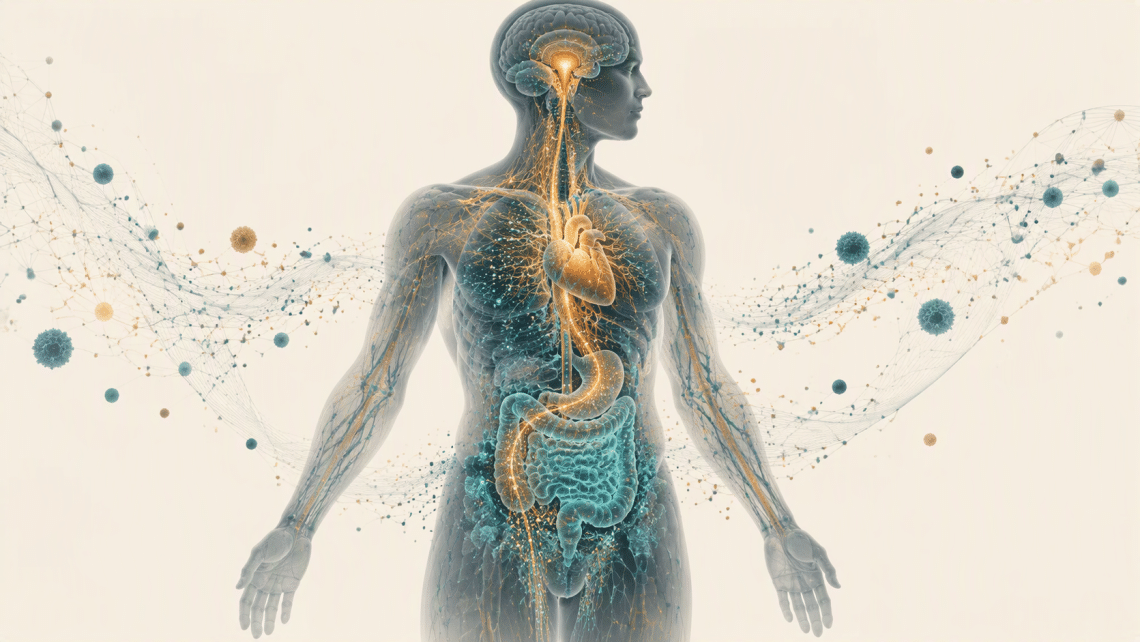
Neurodivergence is frequently framed exclusively as a difference in brain wiring—a divergence in how information, sensory input, and social cues are processed. However, for a significant portion of the neurodivergent population, the differences extend far below the neck. Autism and ADHD are highly correlated with a specific cluster of systemic physical health conditions, often referred to as the “Neurodivergent Triad”: the overlapping presentation of neurodivergence, connective tissue differences, and autonomic or immune dysregulation. When the physical “hardware” of the body operates differently, it fundamentally alters the data sent to the neurological “software.” Understanding this interaction is critical, as many emotional and cognitive challenges are actually rooted in unrecognised physical distress.…
-
Not “Just Anxiety”: Vulnerability, Attention, and Systemic Overload in Neurodivergence
For neurodivergent individuals, anxiety is rarely a standalone psychological condition. It is a predictable, systemic response to existing in a world built for a different neurology. When medical professionals view this distress strictly through the lens of standard psychiatric anxiety, they can miss the profound interplay of cognitive style, sensory processing, autonomic dysregulation, and accumulated relational stress. Understanding this requires deconstructing anxiety into its true components: the internal cognitive architecture, external relational demands, and the physical systemic issues that often masquerade as panic. 1. Internal Vulnerability: Metacognition, Attention, and Autonomic Threat The neurodivergent mind often possesses a highly active cognitive engine. While this drives deep analytical thinking and pattern recognition,…